Highlights from January 19-23, 2026
CONTINUING THE DIALOGUE ON A HUMAN INTELLIGENCE SHIFT
More than a conference, AI House Davos is a space for visionary collaboration.
We are not here to react to AI's future; we are here to shape it.
AI House Davos 2026:
Panel overview

AGI Night
Gary Marcus (NYU)
Max Tegmark (MIT & Future of Life Institute)
Richard Socher (you.com)
Jack Symes (Durham University)
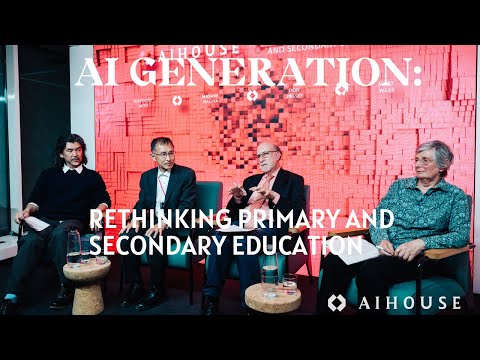
AI Generation: Rethinking Primary and Secondary Education
Masami Hagiya (Institute for AI and Beyond)
Don Passey (Lancaster University)
Mary Webb (King's College London)
Toshinori Saito (Seisa University)
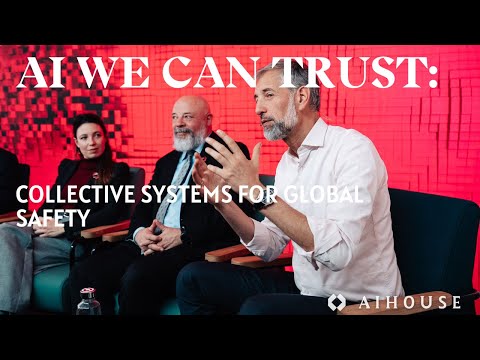
AI We Can Trust: Collective Systems for Global Safety
Agata Ferretti (IBM Research)
Andreas Krause (ETH Zürich)
Kirk Bresniker (HPE Labs)
Silvio Dulinsky (ISO)
Ayisha Piotti (RegHorizon)

A Matter of Life and Death: AI in Military Decision-Making
Alain Berset (Council of Europe)
Gilles Carbonnier (ICRC)
Isabel Ebert (UN Human Rights)
Kenneth Cukier (The Economist)
Laurent Gisel (ICRC)
Jean-Marc Rickli (GCSP)

Designing for Collaboration, Participation and Futures Inspired by Art
Teruo Fujii (University of Tokyo)
Miles Pennington (University of Tokyo)
Primavera De Filippi (CNRS)
Sharon Prince (Grace Farms Foundation)
Ai Hisano (University of Tokyo)
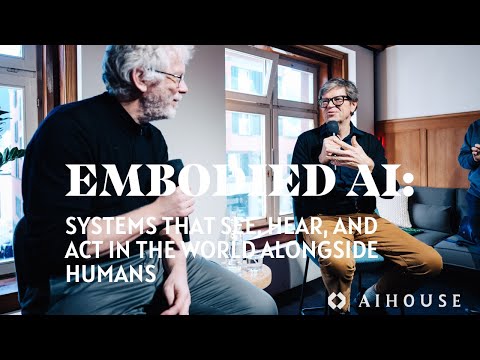
Embodied AI: Systems that See, Hear, and Act in the World Alongside Humans
Yann LeCun (Advanced Machine Intelligence)
Marc Pollefeys (ETH Zürich)
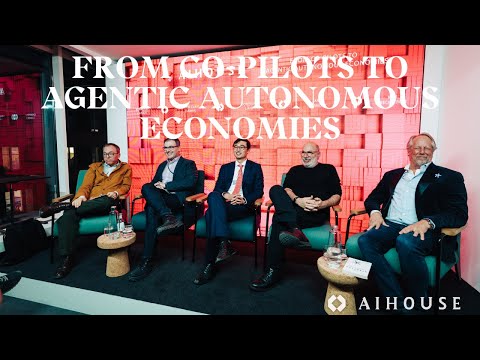
From Co-Pilots to Agentic Autonomous Economies
David Evan Harris (UC Berkeley)
Gordon Liao (Circle Internet Group)
James Landay (Stanford HAI)
Kenneth Cukier (The Economist)
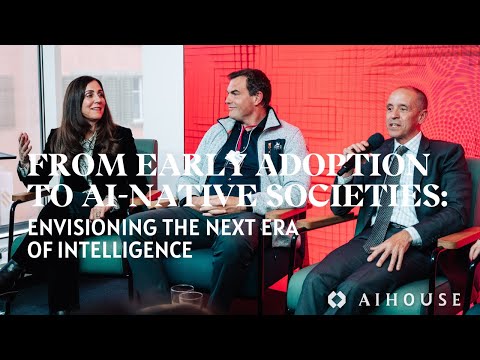
From Early Adoption to AI-Native Societies: The Next Era of Intelligence
Chris Lehane (OpenAI)
Kay Firth Butterfield (Good Tech Advisory)
William Fedus (Periodic Labs)
Andrew Jackson (G42)
Baroness Joanna Shields (Responsible AI Future Foundation)

From Gold Rush to Growth: Investing in AI’s Real Value
David Siegel (Two Sigma)
Rasmus Rothe (Merantix Capital)
Rob Heyvaert (Motive Partners)
Spriha Srivastava (CNBC International)
A Matter of Life and Death: AI in Military Decision-Making
Alain Berset (Council of Europe)
Gilles Carbonnier (ICRC)
Isabel Ebert (UN Human Rights)
Kenneth Cukier (The Economist)
Laurent Gisel (ICRC)
Jean-Marc Rickli (GCSP)
Designing for Collaboration, Participation and Futures Inspired by Art
Teruo Fujii (University of Tokyo)
Miles Pennington (University of Tokyo)
Primavera De Filippi (CNRS)
Sharon Prince (Grace Farms Foundation)
Ai Hisano (University of Tokyo)
From Early Adoption to AI-Native Societies: The Next Era of Intelligence
Chris Lehane (OpenAI)
Kay Firth Butterfield (Good Tech Advisory)
William Fedus (Periodic Labs)
Andrew Jackson (G42)
Baroness Joanna Shields (Responsible AI Future Foundation)
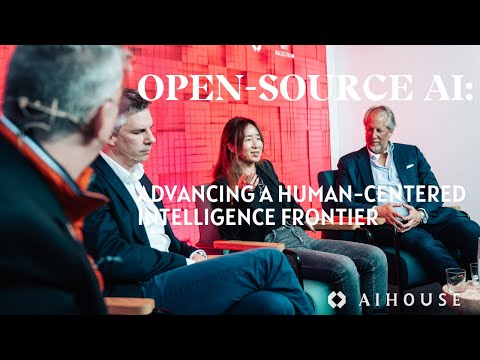
Open-Source AI: Advancing a Human-Centered Intelligence Frontier
Marcel Salathé (EPFL)
Rod Beckstrom
Yejin Choi (Stanford HAI)
Daniel Dobos (AI for Good)

Protecting What’s Human: Creativity and Identity in the Age of Deepfakes
Mat Honan (MIT Technology Review)
Duncan Crabtree-Ireland (SAG-AFTRA)
Emi Kusano (Fictionera)
Nicholas Thompson (The Atlantic)
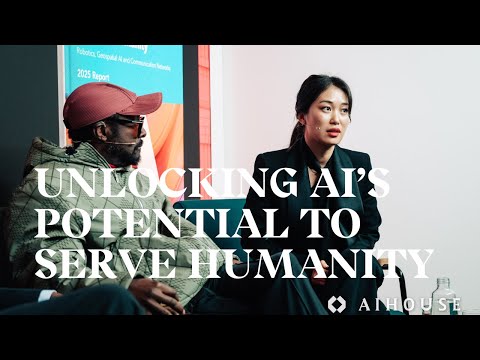
Unlocking AI’s Potential to Serve Humanity
Bolor-Erdene Battsengel (AI Academy Asia)
Doreen Bogdan-Martin (ITU)
Tshilidzi Marwala (United Nations University)
will.i.am
AI We Can Trust: Collective Systems for Global Safety
Agata Ferretti (IBM Research)
Andreas Krause (ETH Zürich)
Kirk Bresniker (HPE Labs)
Silvio Dulinsky (ISO)
Ayisha Piotti (RegHorizon)
From Gold Rush to Growth: Investing in AI’s Real Value
David Siegel (Two Sigma)
Rasmus Rothe (Merantix Capital)
Rob Heyvaert (Motive Partners)
Spriha Srivastava (CNBC International)
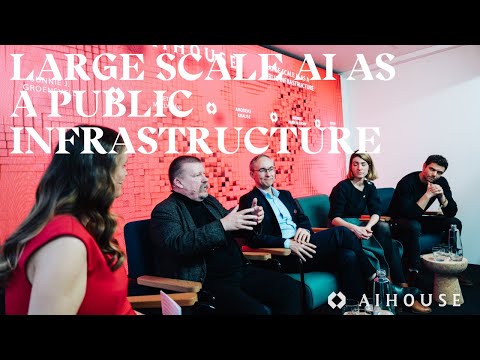
Large Scale AI as a Public Infrastructure
Peter Sarlin (AMD Silo AI)
Andreas Krause (ETH Zürich)
Petri Myllymäki (CSC)
Audrey Herblin Stoop (Mistral AI)
Sunnie J. Groeneveld (Inspire 925)
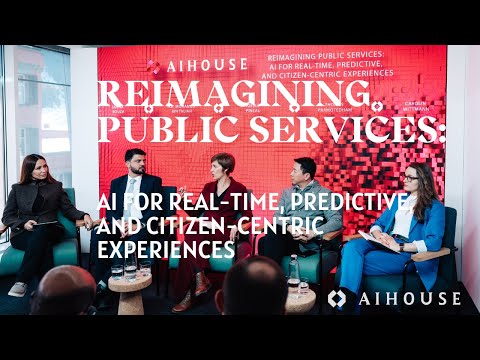
Reimagine Public Service: AI for Real-Time, Predictive, Citizen-Centric Impact
Carolin Wittmann (European Institute for Future Generations)
H.E. Mohamed Bin Taliah (UAE Government)
Joelle Pineau (Cohere)
Thomas Pramotedham (Presight)
Lubna Bouza (Sky News Arabia TV)

Reimagining Drug Discovery with Frontier AI: From Molecules to Medicine
Aldo Faisal (Imperial College London)
Colin Hill (Aitia)
Noubar Afeyan (Flagship Pioneering)
Fiona Marshall (Novartis)
Nikita Popov (Novartis)
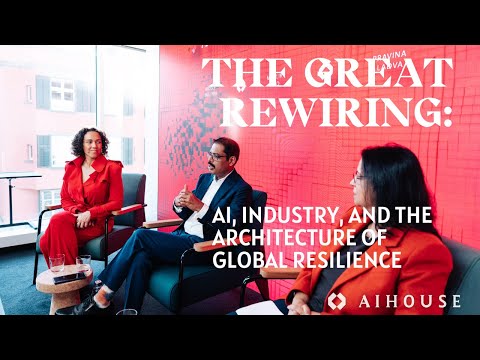
The Great Rewiring: AI, Industry, and the Architecture of Global Resilience
Mallik Rao (Telefonica Germany)
Pravina Ladva (Swiss Re)
Nicole Büttner (Merantix Momentum)
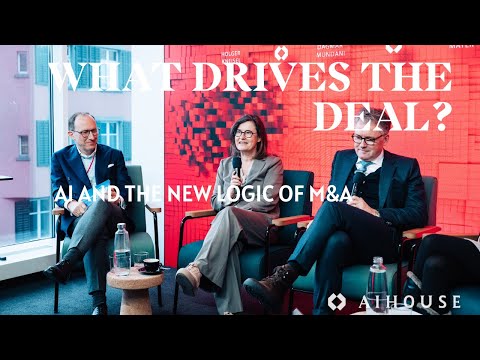
What Drives the Deal? AI and the New Logic of M&A
Eva Scherer (Daimler Truck)
Alexander Mayer (J.P. Morgan)
Dagmar Mundani (Siemens)
Holger Kneisel (KPMG)
AGI Night
Gary Marcus (NYU)
Max Tegmark (MIT & Future of Life Institute)
Richard Socher (you.com)
Jack Symes (Durham University)
AI Generation: Rethinking Primary and Secondary Education
Masami Hagiya (Institute for AI and Beyond)
Don Passey (Lancaster University)
Mary Webb (King's College London)
Toshinori Saito (Seisa University)
Embodied AI: Systems that See, Hear, and Act in the World Alongside Humans
Yann LeCun (Advanced Machine Intelligence)
Marc Pollefeys (ETH Zürich)

From Orbit to Insight: AI’s Role in Shaping a Smarter Planet
Samantha Cristoforetti (European Space Agency)
Bernhard von Weyhe (European Space Agency)
Philip Johnston (Starcloud, Co-Founder and CEO)
Mark Mozena (Planet)
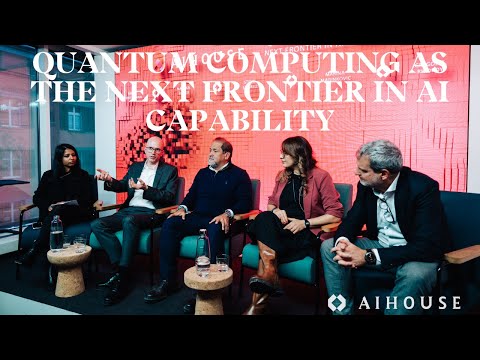
Quantum Computing as the Next Frontier in AI Capability
Grégoire Ribordy (IonQ)
Marina Marinkovic (ETH Zurich)
Nathan Baker (Microsoft)
Steve Suarez (HorizonX)
Anu Unnikrishnan (ETH Zurich)

The Leap to Longevity: Forever Healthy
Evelyne Yehudit Bischof (Harvard Medical School)
Nikita Popov (Novartis)
Olivier Oullier (Mohammed bin Zayed University of Artificial Intelligence)
Dimitris Moulavasilis (M42)
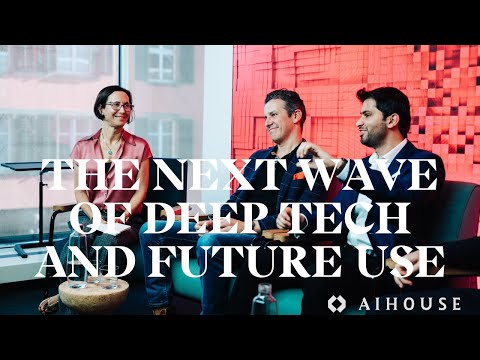
The Next Wave of Deep Tech and Future Use
Adrian Locher (Merantix Capital)
Andrey Khusid (Miro)
Deepak Pathak (Skild AI)
Nal Kalchbrenner (Project Prometheus)
Jamie Heller (Business Insider)
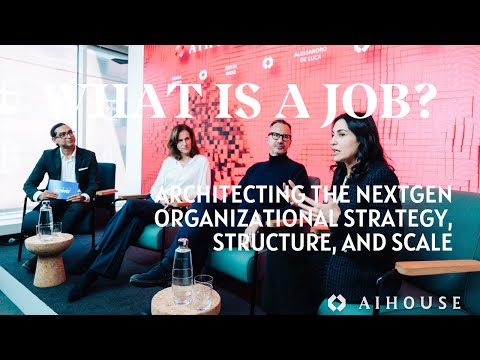
What is a Job? NextGen Organizational Strategy, Structure, and Scale
May Habib (WRITER)
Alessandro de Luca (Merck)
Judith Wiese (Siemens)
Ashish Madan (KPMG)
From Co-Pilots to Agentic Autonomous Economies
David Evan Harris (UC Berkeley)
Gordon Liao (Circle Internet Group)
James Landay (Stanford HAI)
Kenneth Cukier (The Economist)

Inclusive Intelligence: Empowering Societies to Shape AI
Baroness Joanna Shields (Responsible AI Future Foundation)
Basma AlBuhairan (C4IR Saudi Arabia)
Joël Mesot (ETH Zürich)
Thomas Hofmann (Technical University of Munich)
Spriha Srivastava (CNBC)

Shadow AI: The Hidden Layer of Intelligence
Menna El-Assady (ETH Zurich)
Navrina Singh (Credo AI)
Petar Tsankov (LatticeFlow AI)
Akhilesh Tuteja (KPMG)
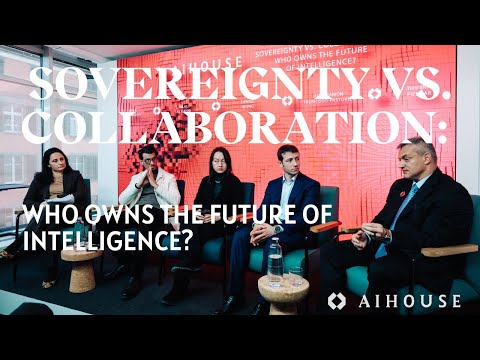
Sovereignty vs. Collaboration: Who Owns the Future of Intelligence?
Denise Wong (IMDA)
Juan Ramón Troncoso-Pastoriza (Tune Insight)
Talal Al Kaissi (G42 & Core42)
Thierry Pienaar (HPE)
Irena Bednarich (HPE)
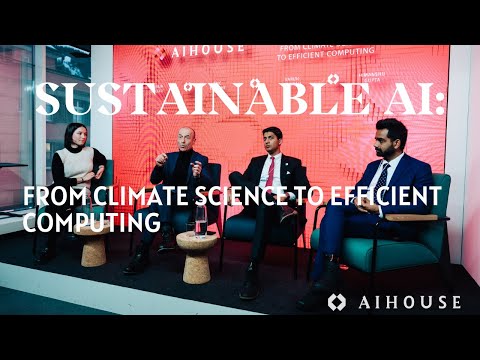
Sustainable AI: From Climate Science to Efficient Computing
Eric Enselme
Varun Sivaram (Emerald AI)
Himanshu Gupta (ClimateAi)
Ghjulia Sialelli (ETH AI Center)
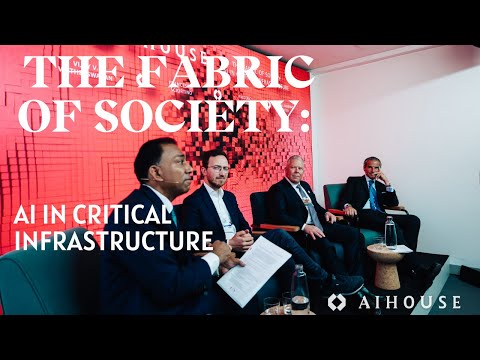
The Fabric of Society: AI in Critical Infrastructure
Francesco Sciortino (Proxima Fusion)
Frederic Werner (ITU)
Rafael Mariano Grossi (IAEA)
Vijay V. Vaitheeswaran (The Economist)
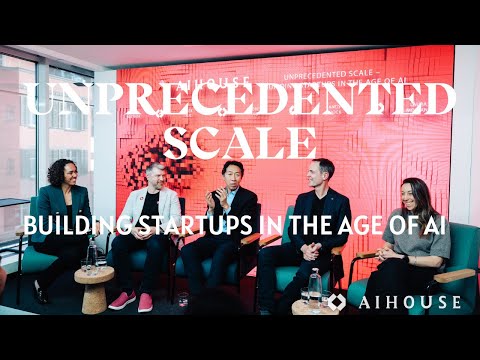
Unprecedented Scale – Building Startups in the Age of AI
Alex Ilic (ETH AI Center)
Andrew Ng (DeepLearning.AI)
Andy Hock (Cerebras Systems)
Laura Modiano (OpenAI)
Nicole Büttner (Merantix Momentum)
AI House Davos 2026:
Roundtable overview
-Jakob-Nawka-JN209949.jpg)
The Role of Humans in an AI-First World: Insights from the Next Generation of Leaders
+
What role will humans play in an AI-first world? Augmented, replaced, transformed? As AI rapidly reshapes economies, institutions, and everyday life, this roundtable examined how people across the globe can remain not just users of AI, but active shapers of its direction and impact. Next-gen leaders from industry, politics, and society engaged in this conversation to understand how local realities influence global systems in building inclusive and sovereign AI futures.
-Jakob-Nawka-JN101078.jpg)
Scaleups for Europe‘s Competitiveness
+
Startups are a vital component of the innovation engine. For Europe’s future competitiveness, it is essential not only to foster academic excellence and startup creation, but also to enable scaling and sustained growth. This session brought together international decision-makers from industry, politics, academia, investment, and Europe’s most innovative scaleups to chart the path forward. Together, they defined the priorities, partnerships, and policies needed to unlock Europe’s next generation of global champions.
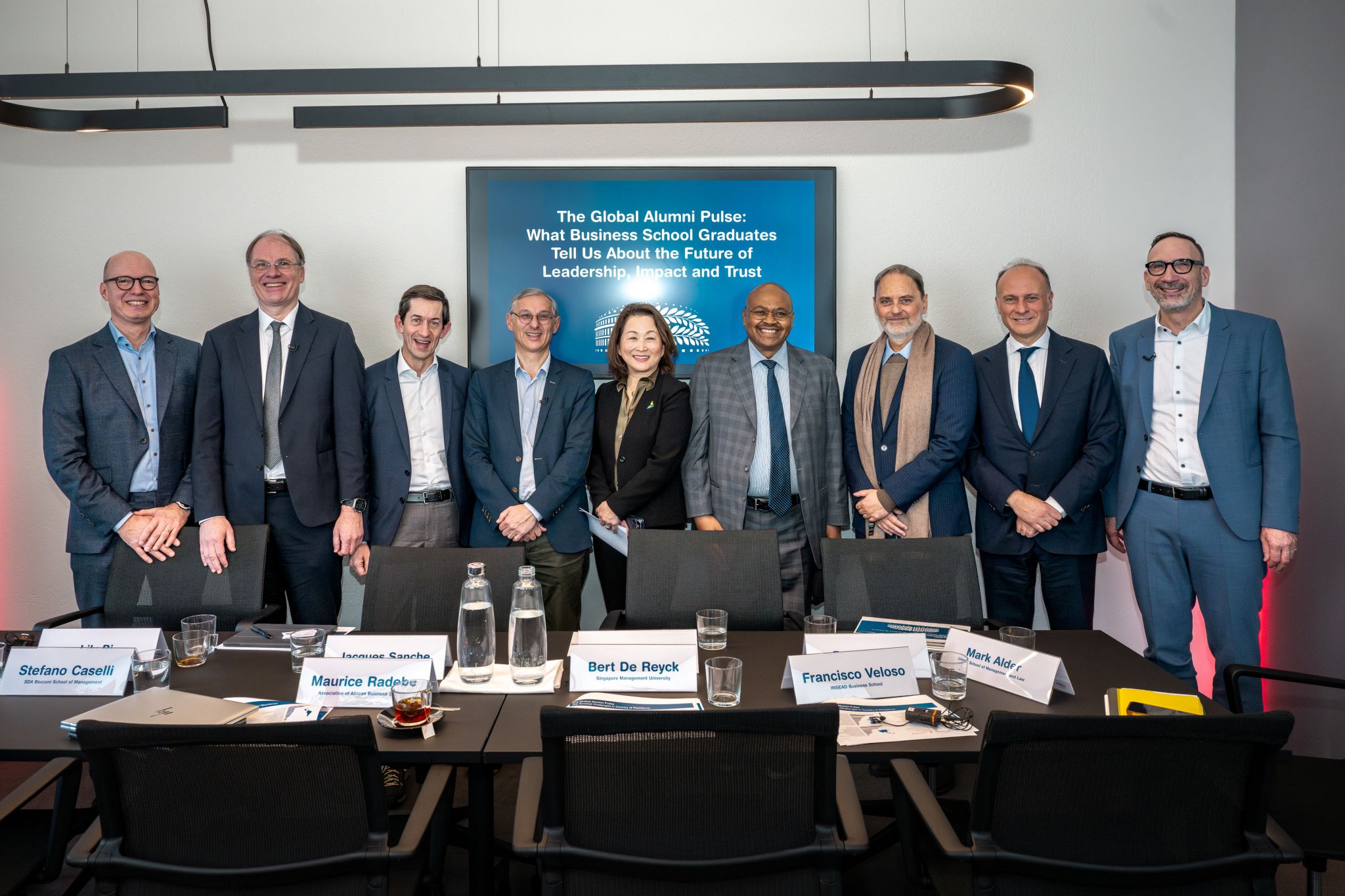
The Global Alumni Pulse: Leadership, AI and Trust in Business Education
+
This roundtable presented insights from the first global alumni survey capturing how business school graduates worldwide assess leadership capabilities, systemic disruption, and societal trust. The discussion highlighted AI as a central force reshaping leadership expectations, decision-making, and responsibility across sectors. Drawing on diverse perspectives, the session explored how leadership and education must evolve to address AI-driven change, bridging the gap between academics and industry application, and promoting contribution to resilient, trustworthy, and sustainable systems.
-Jakob-Nawka-JN101138.jpg)
Beyond Borders: How Regional Ecosystems Empower Societies to Co-Create AI Futures
+
This roundtable explored how regional innovation ecosystems enable societies to actively co-create AI futures through cross-border collaboration and civic empowerment. Examining the Heilbronn-Munich-Zurich triangle, participants discussed how strategic partnerships strengthen public engagement in AI development, close knowledge gaps through accessible education programs, and create pathways for communities, startups, established companies, and social sector organizations to shape AI systems that serve societal needs. The discussion highlighted concrete mechanisms through which regional collaboration amplifies local strengths, democratizes AI literacy, and builds capacity for innovation that addresses social and ecological challenges alongside economic opportunities.
-Jakob-Nawka-JN101123.jpg)
Building Global Trust in AI
+
As AI is being deployed at unprecedented speed, making it safe, secure, and trustworthy is a global priority. This roundtable brought together world-leading AI experts from policy, industry, and academia to explore how to accelerate the shift from high-level AI risks and principles to practical implementation of AI governance and risk management. The session focused on using verifiable evidence to build trustworthy, safe, and secure AI systems to enable fast AI adoption while safeguarding both business and society.
-Jakob-Nawka-JN101199.jpg)
How Data Shapes Capabilities, Risks and the Future of AI
+
This roundtable examined how data shapes AI models’ capabilities and risks, focusing on data collection and curation for training, responsible deployment, and evaluation. The discussion addressed best practices and open challenges across the AI pipeline, including how data quality and diversity influence model performance, how evaluation data supports safety, privacy, fairness, and accountability, and how progress can be reliably measured. Participants explored the future of AI and data generation, the impact of limited data availability, evolving definitions of “high-quality” data, and shifts in data needs as research advances. The conversation also considered issues of data governance, intellectual property, global regulatory disparities, and the ethical balance between accuracy, diversity, and representativeness. The goal was to identify practical insights for developing AI systems that are both powerful and responsible.
The Role of Humans in an AI-First World: Insights from the Next Generation of Leaders
+
What role will humans play in an AI-first world? Augmented, replaced, transformed? As AI rapidly reshapes economies, institutions, and everyday life, this roundtable examined how people across the globe can remain not just users of AI, but active shapers of its direction and impact. Next-gen leaders from industry, politics, and society engaged in this conversation to understand how local realities influence global systems in building inclusive and sovereign AI futures.
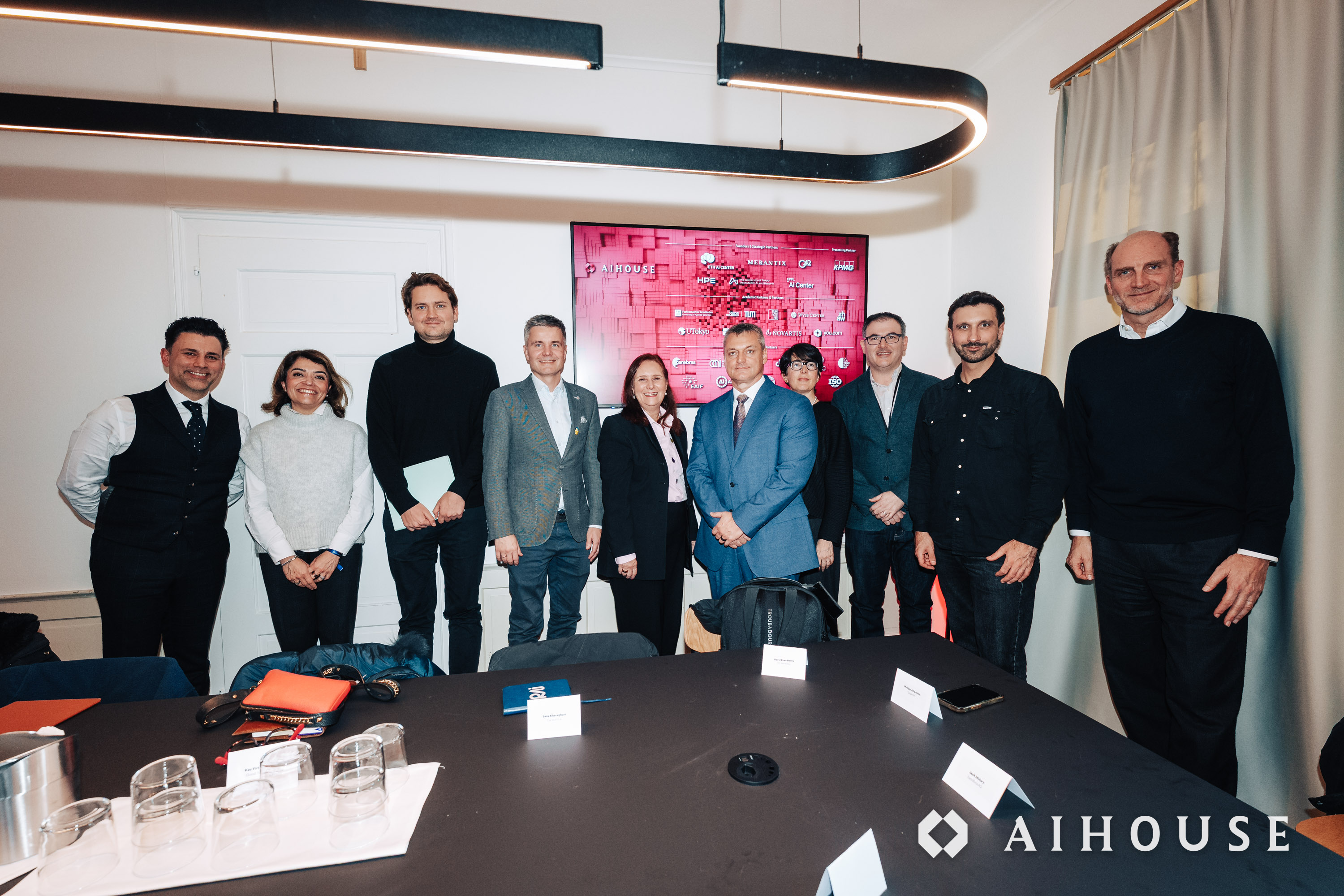
Sovereign AI: Securing Autonomy in the Age of Intelligence
+
In this roundtable, participants were asked to share candid perspectives on the realities of building secure and compliant sovereign AI. This discussion explored national and organizational challenges, concerns, and expectations as we strive to secure trusted, autonomous AI ecosystems while balancing innovation, resilience, and global collaboration in an interconnected world.
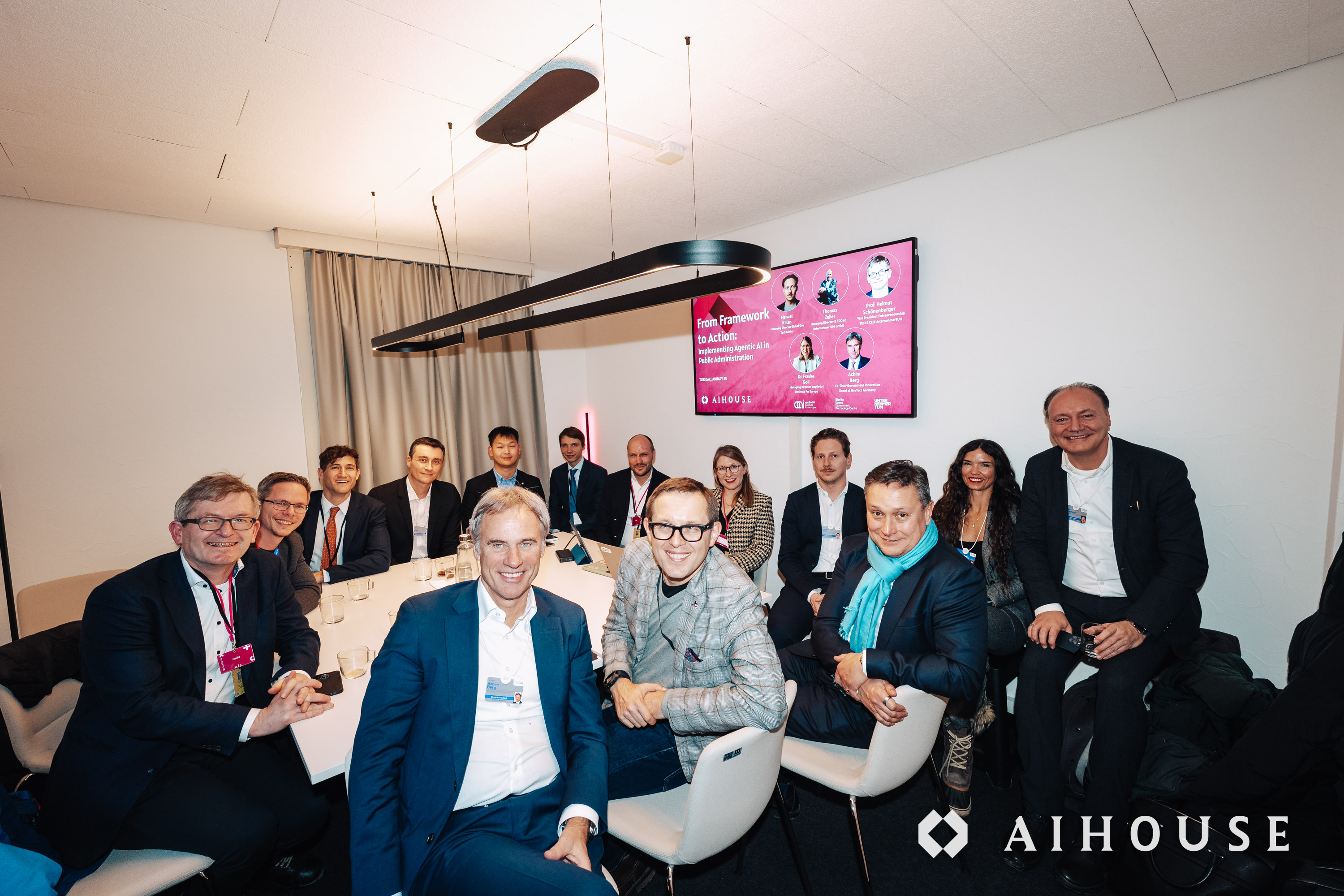
From Framework to Action: Implementing Agentic AI in Public Administration
+
While governments worldwide explore AI's transformative potential for public services, this roundtable shifted focus from vision to operationalization. Participants examined why agentic AI represents a critical inflection point for public administration and how strategic prioritization of governmental functions creates actionable implementation pathways. Using Bavaria's approach to identifying five priority functions as a concrete example, the discussion addressed practical challenges of deployment, the essential role of ecosystem collaboration between government, applied research institutions, and technology providers, and the importance of clear governmental signals of adoption readiness. Through commitments and concrete pledges, participating organizations identified mutual support mechanisms and requirements needed to move from concept to citizen impact.
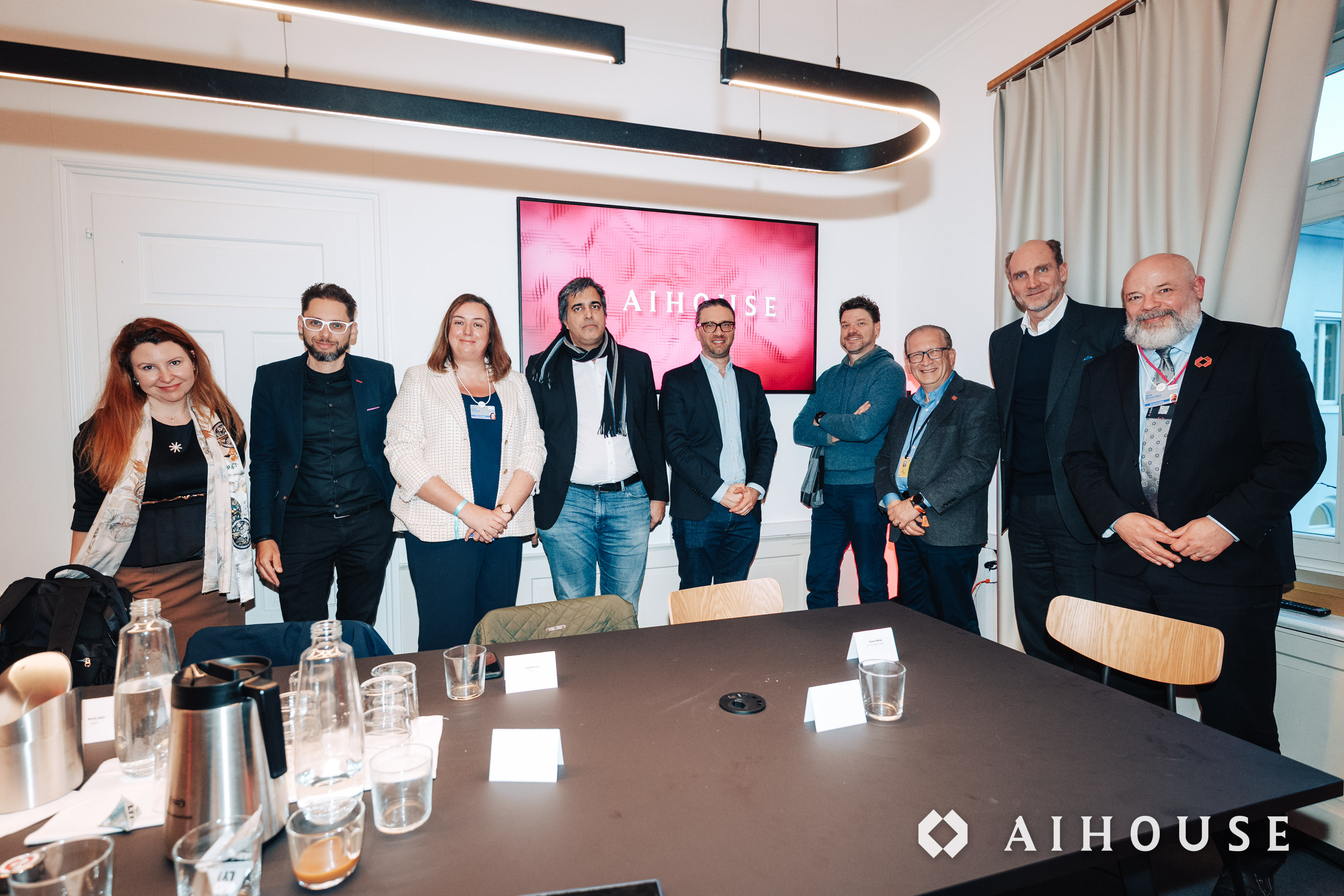
Building Resilient Cities Through Systemic Connectivity
+
Urban ecosystems are becoming increasingly complex, with mobility, transportation, healthcare, and infrastructure deeply interdependent. This session explored how the “connection of everything” can create smarter, more resilient cities, where integrated systems leverage Agentic AI and sensing, self-driving systems to anticipate disruptions, optimize resources, and enhance quality of life. By taking a holistic view of urban resilience, we can unlock innovation that strengthens sustainability, security, and trust in the face of global challenges.
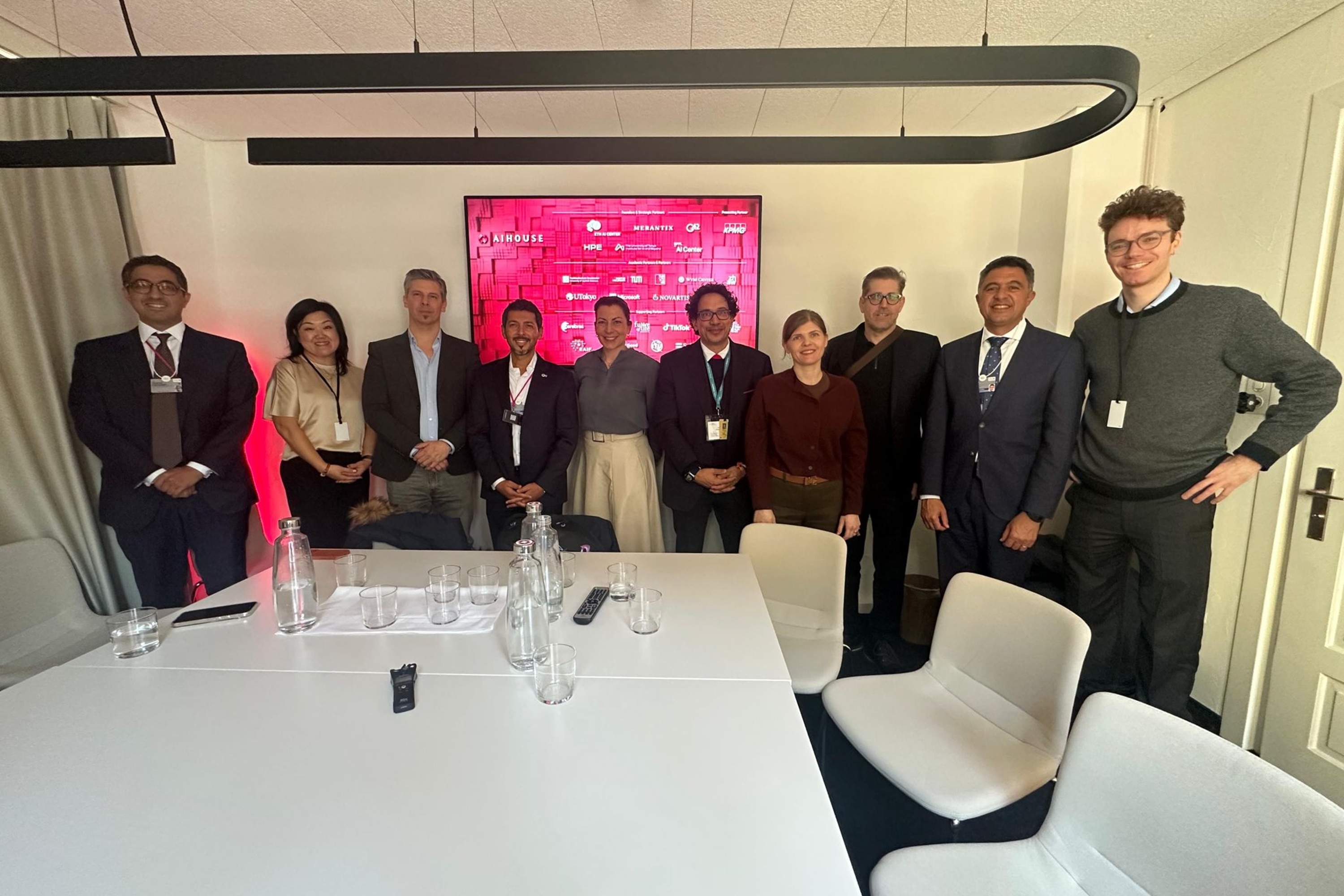
Infrastructure as a Strategic Asset
+
As AI becomes the backbone of national competitiveness, the physical and digital infrastructure supporting it can no longer be seen as neutral. This roundtable examined how infrastructure, from data centers to sovereign cloud, is evolving into a strategic asset for governments and enterprises alike. The conversation explored its role in enabling compute equity, digital sovereignty, and sustainable growth in the AI age. Bringing together voices from policy, industry, sustainability, and finance, the discussion focused on infrastructure as a site of both national resilience and global interdependence and how decision-makers can future-proof it for geopolitical, technological, and environmental change.
How Data Shapes Capabilities, Risks and the Future of AI
+
This roundtable examined how data shapes AI models’ capabilities and risks, focusing on data collection and curation for training, responsible deployment, and evaluation. The discussion addressed best practices and open challenges across the AI pipeline, including how data quality and diversity influence model performance, how evaluation data supports safety, privacy, fairness, and accountability, and how progress can be reliably measured. Participants explored the future of AI and data generation, the impact of limited data availability, evolving definitions of “high-quality” data, and shifts in data needs as research advances. The conversation also considered issues of data governance, intellectual property, global regulatory disparities, and the ethical balance between accuracy, diversity, and representativeness. The goal was to identify practical insights for developing AI systems that are both powerful and responsible.
Building Global Trust in AI
+
As AI is being deployed at unprecedented speed, making it safe, secure, and trustworthy is a global priority. This roundtable brought together world-leading AI experts from policy, industry, and academia to explore how to accelerate the shift from high-level AI risks and principles to practical implementation of AI governance and risk management. The session focused on using verifiable evidence to build trustworthy, safe, and secure AI systems to enable fast AI adoption while safeguarding both business and society.
Beyond Borders: How Regional Ecosystems Empower Societies to Co-Create AI Futures
+
This roundtable explored how regional innovation ecosystems enable societies to actively co-create AI futures through cross-border collaboration and civic empowerment. Examining the Heilbronn-Munich-Zurich triangle, participants discussed how strategic partnerships strengthen public engagement in AI development, close knowledge gaps through accessible education programs, and create pathways for communities, startups, established companies, and social sector organizations to shape AI systems that serve societal needs. The discussion highlighted concrete mechanisms through which regional collaboration amplifies local strengths, democratizes AI literacy, and builds capacity for innovation that addresses social and ecological challenges alongside economic opportunities.
The Global Alumni Pulse: Leadership, AI and Trust in Business Education
+
This roundtable presented insights from the first global alumni survey capturing how business school graduates worldwide assess leadership capabilities, systemic disruption, and societal trust. The discussion highlighted AI as a central force reshaping leadership expectations, decision-making, and responsibility across sectors. Drawing on diverse perspectives, the session explored how leadership and education must evolve to address AI-driven change, bridging the gap between academics and industry application, and promoting contribution to resilient, trustworthy, and sustainable systems.
Scaleups for Europe‘s Competitiveness
+
Startups are a vital component of the innovation engine. For Europe’s future competitiveness, it is essential not only to foster academic excellence and startup creation, but also to enable scaling and sustained growth. This session brought together international decision-makers from industry, politics, academia, investment, and Europe’s most innovative scaleups to chart the path forward. Together, they defined the priorities, partnerships, and policies needed to unlock Europe’s next generation of global champions.
The Next Wave of AI Models: Small, Specialized, Sovereign
+
As the foundational model landscape evolves, the focus continues to be on Agentic AI models. This roundtable explored the strategic value of agile, specialized AI models - particularly for nations and organizations prioritizing sovereignty and efficiency. From supporting languages to enabling fine-tuned control in regulated environments, these models offer an alternative pathway to AI deployment. The discussion gathered technologists, policymakers, and researchers to explore how these purpose-built systems can democratize innovation while lowering environmental and economic costs.
AI is Everywhere. So Why isn’t it on the P&L Yet? Launching a New European AI Capability Initiative
+
AI investment is surging, yet most enterprises still struggle to turn it into measurable results. A new pan-European AI Capability Initiative brings together selected corporate leaders to close this gap, focusing on high-impact use cases, faster adoption, and real productivity gains. The initiative launched with an AI House roundtable and continues through curated follow-ups in the coming months across Europe to drive AI impact to the bottom line.

Empowering Defenders: AI as the New Frontier in Cyber Defense
+
AI is transforming the cybersecurity landscape. While bad actors are already leveraging AI to launch sophisticated attacks, automate exploitation, and amplify disinformation campaigns, AI also offers defenders unprecedented capabilities to predict, prevent, and respond to threats. This roundtable explored how AI is empowering cyber defenders to achieve secure outcomes and help enhance resilience, close the skills gap, and establish global standards for responsible innovation.
Rewriting Reality: How AI Is Reshaping Media, Content, and Information
+
As AI increasingly generates, edits, and amplifies content, the meaning of information itself is shifting. This roundtable brought together journalists, independent content creators, and influential voices across digital platforms to examine what information becomes when authorship moves from human to machine, where the most critical errors and distortions arise, and how trust can be sustained in fast, algorithm-driven ecosystems. Participants explored how reporting, storytelling, and influence are evolving, from long-form journalism to short-form and real-time formats. What will define good content in an era shaped by speed, scale, and synthetic media? The session invited creators and journalists alike not just to observe these changes, but to actively shape the future of public understanding in the age of AI.
AI-Ready Graduates: Aligning Academic Preparation with Industry Expectations
+
AI is reshaping every profession, and the next generation of talent must be equipped for a world where human–AI collaboration is the norm. This roundtable brought together leaders from industry and academia to define what “AI readiness” should look like for today’s university students. Participants explored the technical foundations, ethical competencies, and critical-thinking skills needed to thrive in an AI-driven workplace, while examining how educational institutions can adapt their curricula, culture, and teaching methods to prepare students for meaningful, resilient careers in a rapidly evolving landscape.
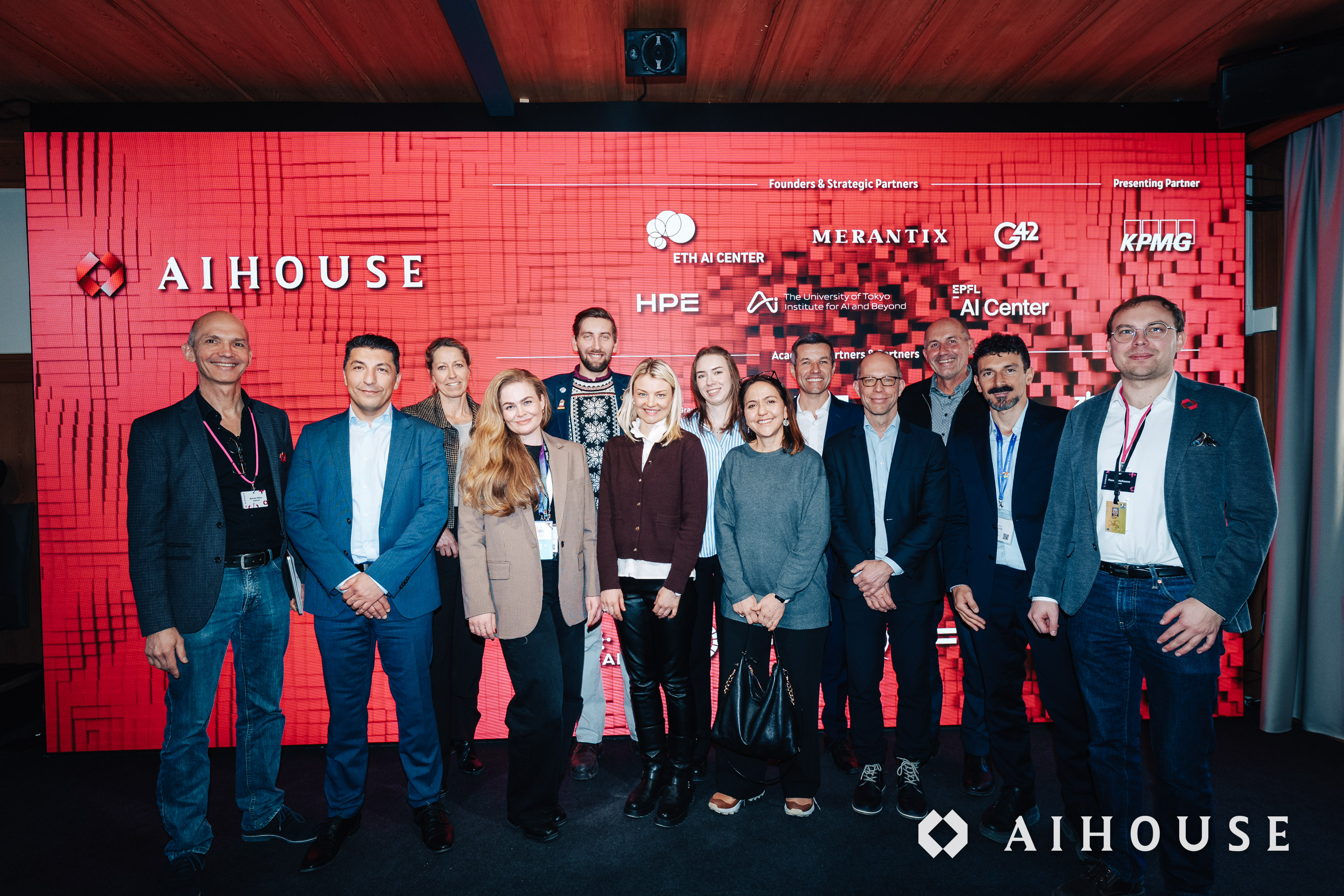
The Intelligent Health System: Pharma and Healthcare for the Next Decade
+
AI is accelerating drug discovery, enabling personalized medicine, and reshaping healthcare economics. Scaling its impact requires more than technology, it demands new collaboration across pharma, regulators, payers, and tech providers. This session explored how AI can transform pipelines, infrastructure, and partnerships to build resilient, equitable, and intelligent health systems.
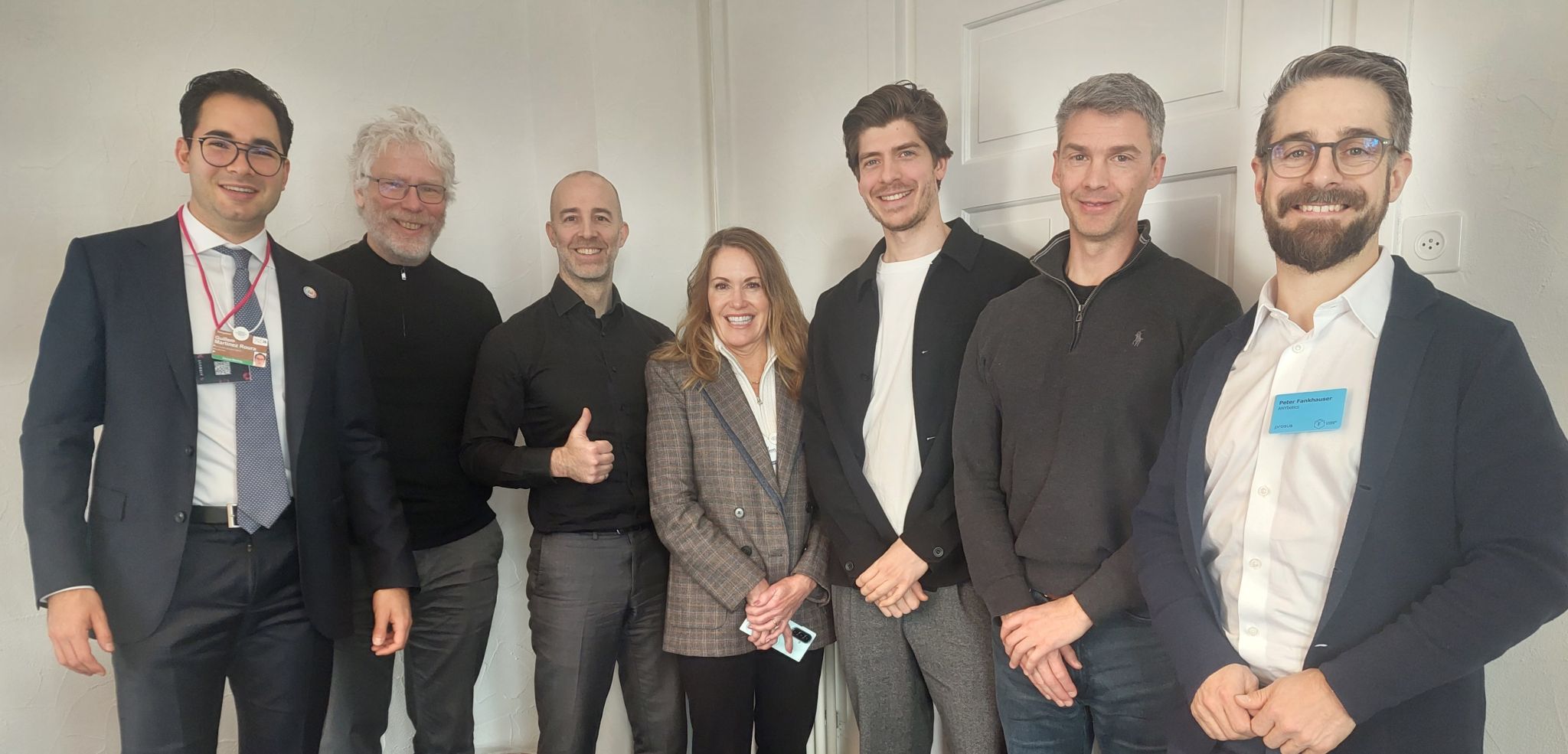
When People and Machines Hesitated: A Strategic Look Back from 2035
+
AI and robotics move fast, yet the idea that machines will soon take over most human work ignores a harder truth. Real-world performance requires long, uneven engineering progress, and breakthroughs rarely arrive on cue. Even strong technology does not guarantee broad adoption. This session explored that gap. Participants entered a future where robotics has advanced, but not as boldly as predicted. The diverse group examined how such a shortfall could arise and what it reveals about technology, regulation, safety, economics and public acceptance. The format brought together leaders for a focused, confidential exchange that supported clear thinking and unconventional perspectives. People left with a sharper view of intelligent machines, expected robotics and AI progress, stronger connections, and maybe a few positive surprises.
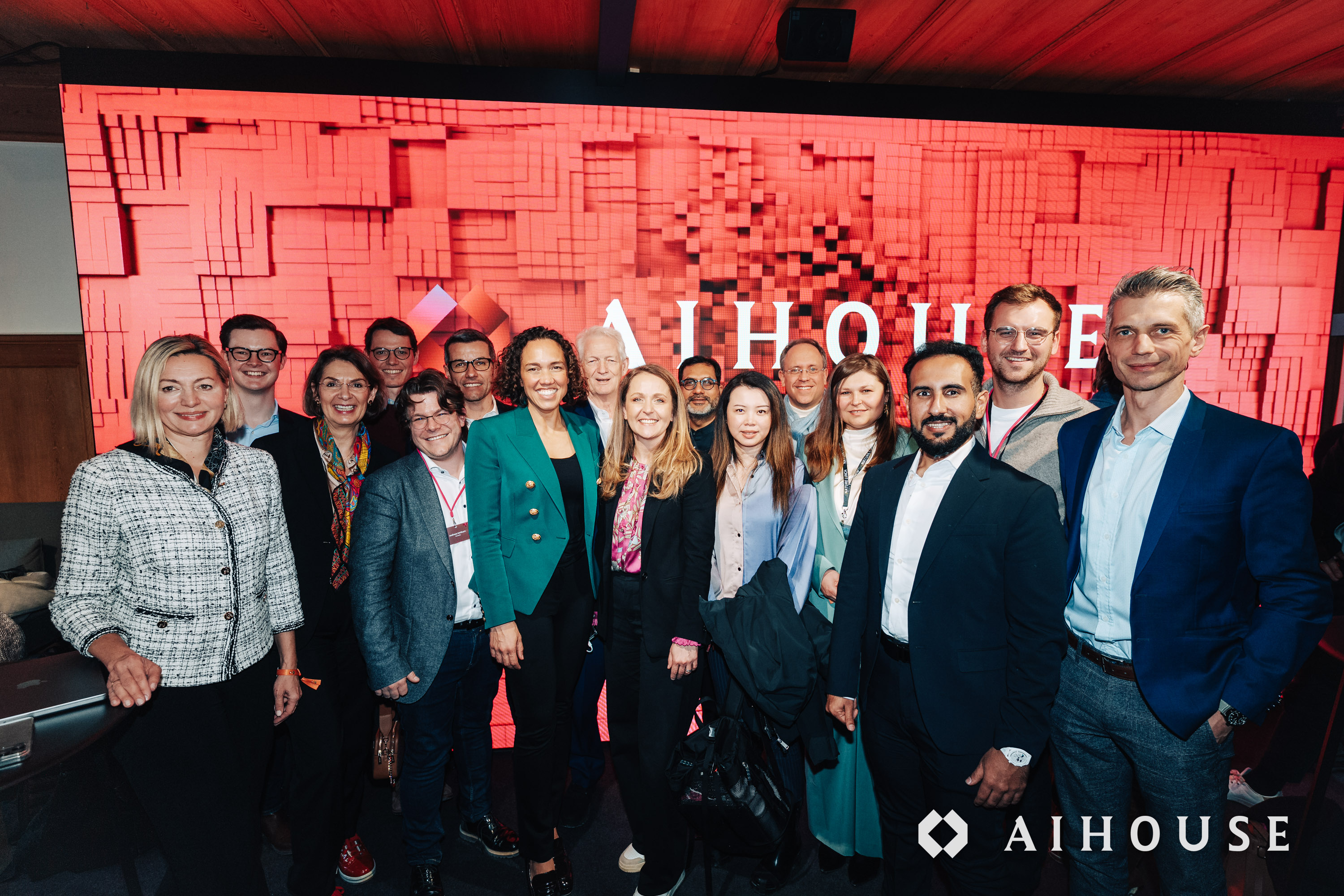
AI as a Change Engine: Redesigning How Industries Work
+
Across industries, AI is becoming the backbone of operational and strategic decision-making. Yet embedding AI into the enterprise is not a technology rollout, it’s an organizational redesign. As leaders scale AI beyond pilots, they face fundamental shifts in how work is structured, how decisions are made and how accountability is defined. This session convened transformation leaders from industry, finance, and services to explore what it takes to build truly AI-native enterprises by 2030, where technology, culture and governance evolve together.
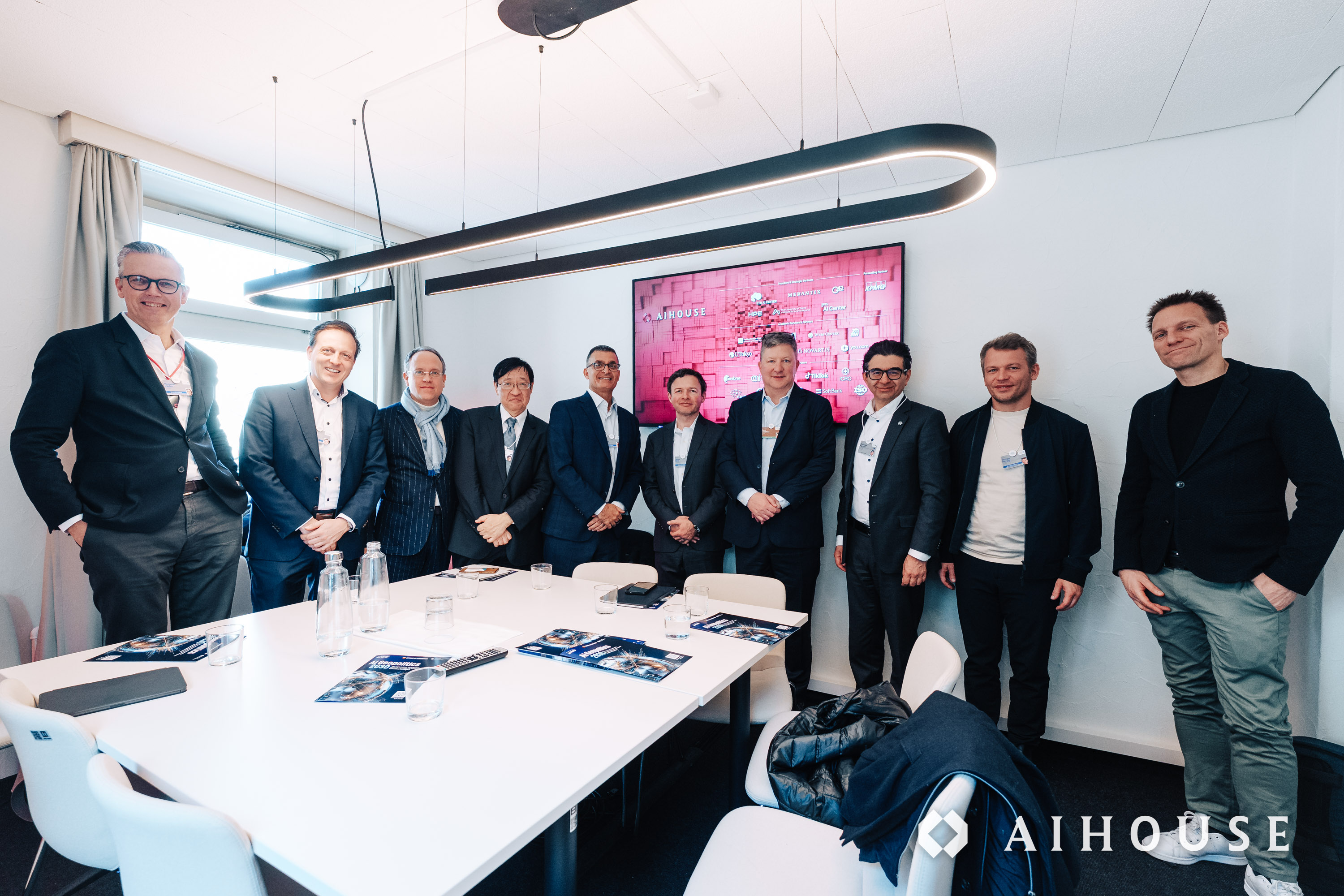
The Delicate Act of Balancing AI Sovereignty With Global AI Interoperability
+
AI sovereignty is becoming a defining factor for competitiveness and security worldwide as AI increasingly underpins critical infrastructure, industrial innovation, and economic growth. At the same time, enterprises operate in global value chains and rely on cross-border AI capabilities, cloud ecosystems, and international standards. This roundtable explored how global organizations, tech giants, and emerging AI innovation ecosystems can balance sovereignty requirements with global AI operating realities. It aimed to identify where independence is essential, where collaboration remains strategically smart, and how to avoid new lock-ins while building resilient, multi-provider AI platforms. Ultimately, the discussion examined pragmatic, sovereign-yet-global strategies and strategic partnerships across the AI stack to secure long-term competitive advantage, while still enabling global-scale innovation and enterprise value creation.

From Access to Agency: AI-Native Pathways for the Global South
+
For much of the Global South, AI presents a rare opportunity to build AI-native economies from the ground up. This roundtable examined how emerging markets can harness AI to accelerate development across healthcare, education, energy, and public services, while retaining control over data, values, and long-term economic outcomes. Participants discussed how localized innovation, sovereign infrastructure, and inclusive design can turn AI into a catalyst for shared prosperity rather than deepening inequality. The discussion aimed to surface actionable models for enabling countries to move faster, smarter, and more sustainably in an increasingly intelligence-driven world.
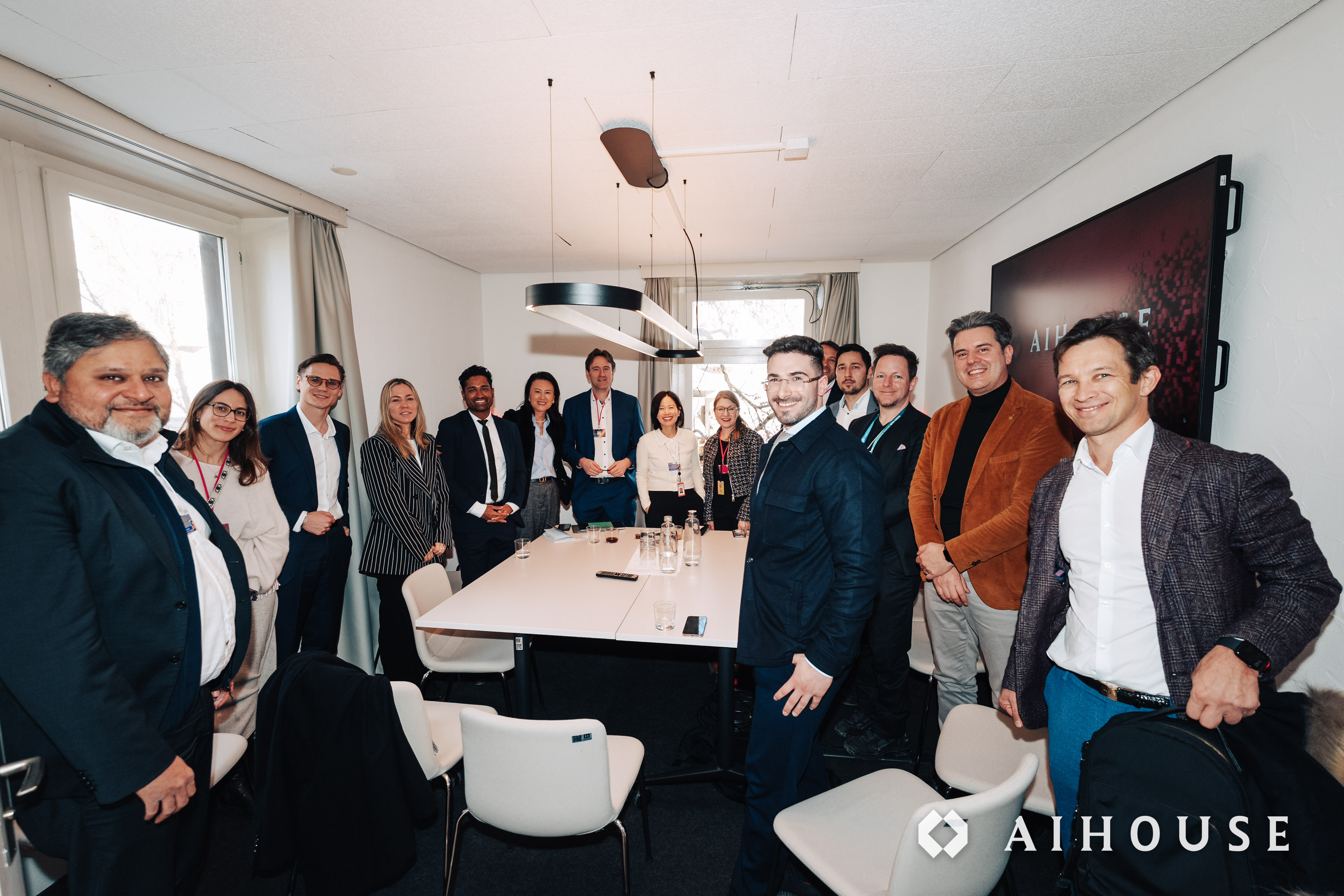
Asset Management in the Age of Agentic AI
+
AI agents are automating investment research and execution, cutting costs and speeding up price discovery. Yet, this shared toolkit risks algorithmic herding, overfitting, and systemic fragility. We debated the future of asset management: How do we ensure human governance and accountability when algorithms drive capital allocation?

Leadership in the High-Speed Inference Era
+
Faster response times drive higher user satisfaction, engagement, and productivity for AI-powered applications such as search, voice, coding, and agents. As models increasingly reason, plan, and act across many steps, latency becomes an even more critical constraint. Just as broadband replaced dial-up internet, high-speed inference is now going mainstream, enabled by custom chip architectures that don’t have the bottlenecks of GPU-based systems. This roundtable explored how faster inference is reshaping the AI landscape, and how leaders should prepare for this paradigm shift.
The Geopolitics of AGI
+
A closed roundtable for senior ministerial sherpas to be briefed on the latest AI developments, and discuss concrete ways to improve collective global governance on AI.